Chemical Disasters
or, the most common disaster that nobody talks about.
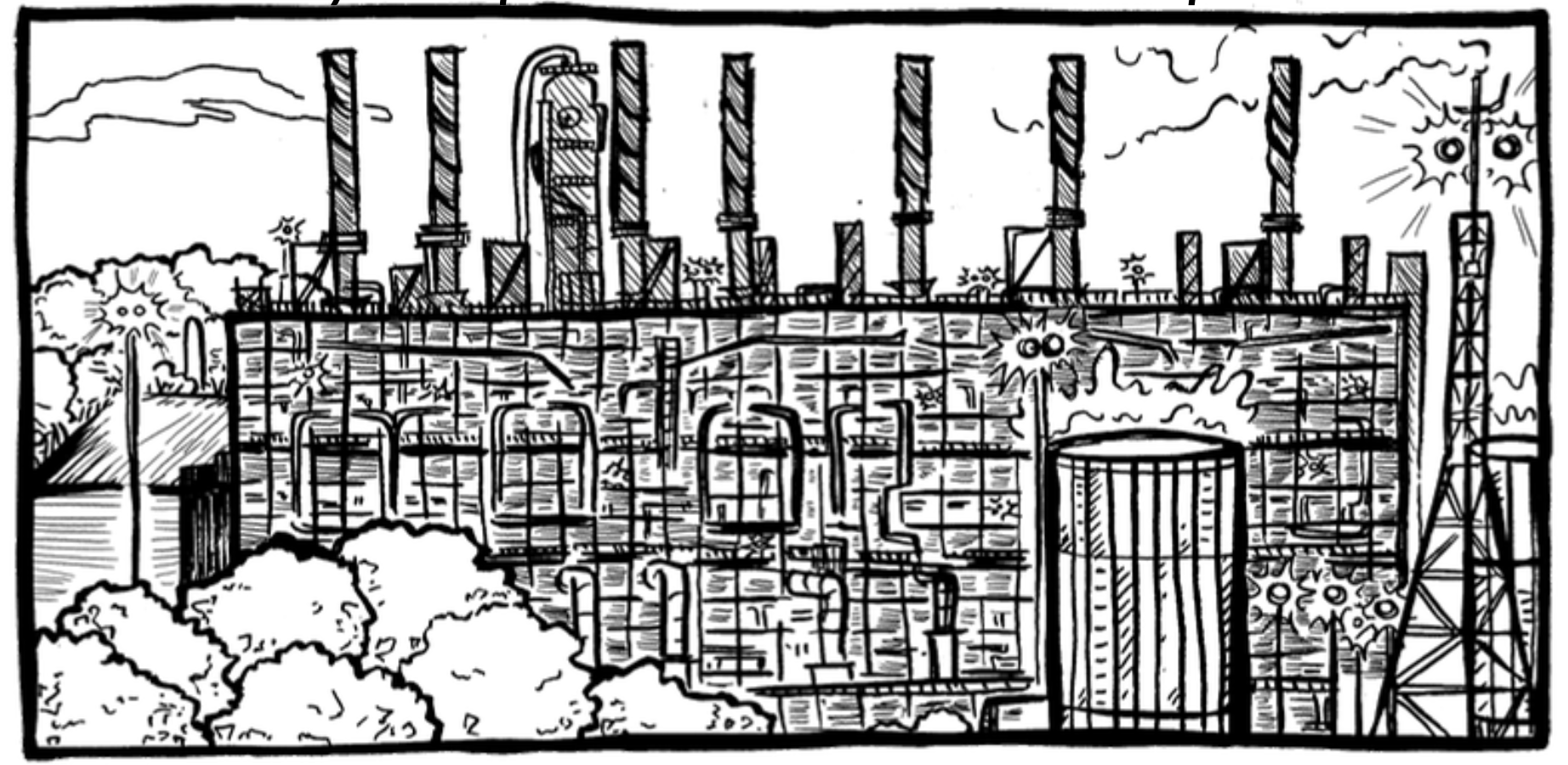
Petrochemicals, like the fossil fuels they’re made from, are so present in our lives that many people aren’t even aware of them. Yet, when something goes wrong at some point in their production or transportation, it can create a dangerous scenario fast. Believe it or not, there is a petrochemical accident in the U.S. every 3 days, and they will only become more common as our climate changes.
1 in 3 Americans lives within range of a possible chemical disaster – but how many of us know how to handle them? Rather than dwell in worst-case scenarios, we can get prepared to keep ourselves, our families, and our communities safe just in case. You really don’t need to become an expert. Just learn the essentials and share them with people you know, especially if you live near a rail line or facility. Together, we can keep us safer.
What are petrochemicals, anyway?
Simply put, petrochemicals are chemical products made from oil and gas. They’re used to make a wide range of products from plastic to fertilizers.
The 3 main types of petrochemicals are —

Olefins — the solids used for plastics, resins, fibers, elastic, lubricants, and gels.
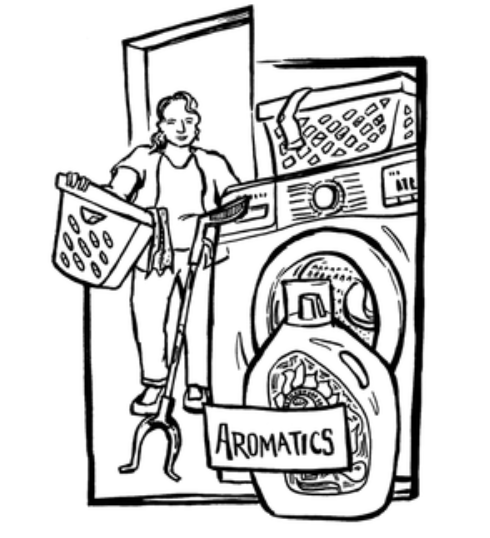
Aromatics — colorless liquids that act as building blocks for products such as paints, detergents, and adhesives.
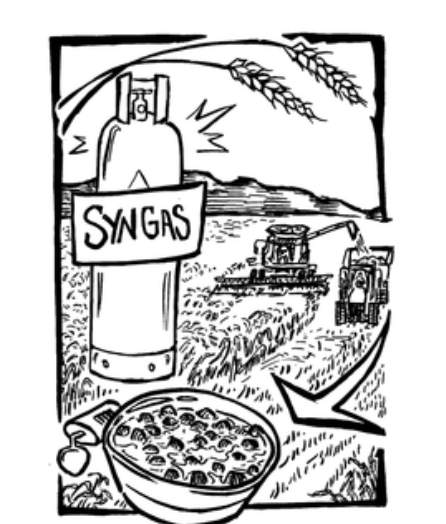
Synthetic Gas or SynGas — used to make ammonia and methanol, which is needed to produce fertilizers and some synthetic fuels.
What are chemical disasters?
Petrochemical disasters don’t look the same — but they do have some common triggers, such as:
- Extreme weather, such as strong winds, lightning strikes, floods, and earthquakes.
- Neglect, such as poorly-maintained equipment or transportation systems, as well as improper handling or disposal.
- Accidents, because sometimes things just go wrong.
- Attacks, because fossil fuel infrastructure can become targets in times of conflict.
How do I know if I live by a facility?
See a map of your area:
What kind of risks are we talking about?
The most honest answer is, it varies. By chemical, exposure level, and other personal and environmental health factors. Can chemical disasters be deadly? Tragically, yes. They can also lead to a variety of chronic health issues such as reproductive complications and birth outcomes, respiratory and lung problems, and cancer. But even the most current research doesn’t tell the whole story — and often fails to consider disabled folks, who are at greater risk. That’s why we can’t say it enough: if you think you might have been exposed (even a little) don’t wait — get medical attention right away.
What should I watch out for?
Be on the lookout for any changes to your environment or body, especially:
- Smelling anything unusual or foul
- Seeing smoke, although many petrochemicals can’t be seen unless they’re on fire
- Feeling weak, lightheaded, or nauseous

When in doubt, trust your gut.
Remember, everybody is different. Just because other people aren’t feeling what you’re feeling doesn’t mean you’re imagining things. When in doubt, take precautions to keep you and your loved ones safe!
Ready to get organized? You and your community can hold polluters accountable. Go to peopleoverpetro.org to get started.
Illustrations by Michelle Sayles