
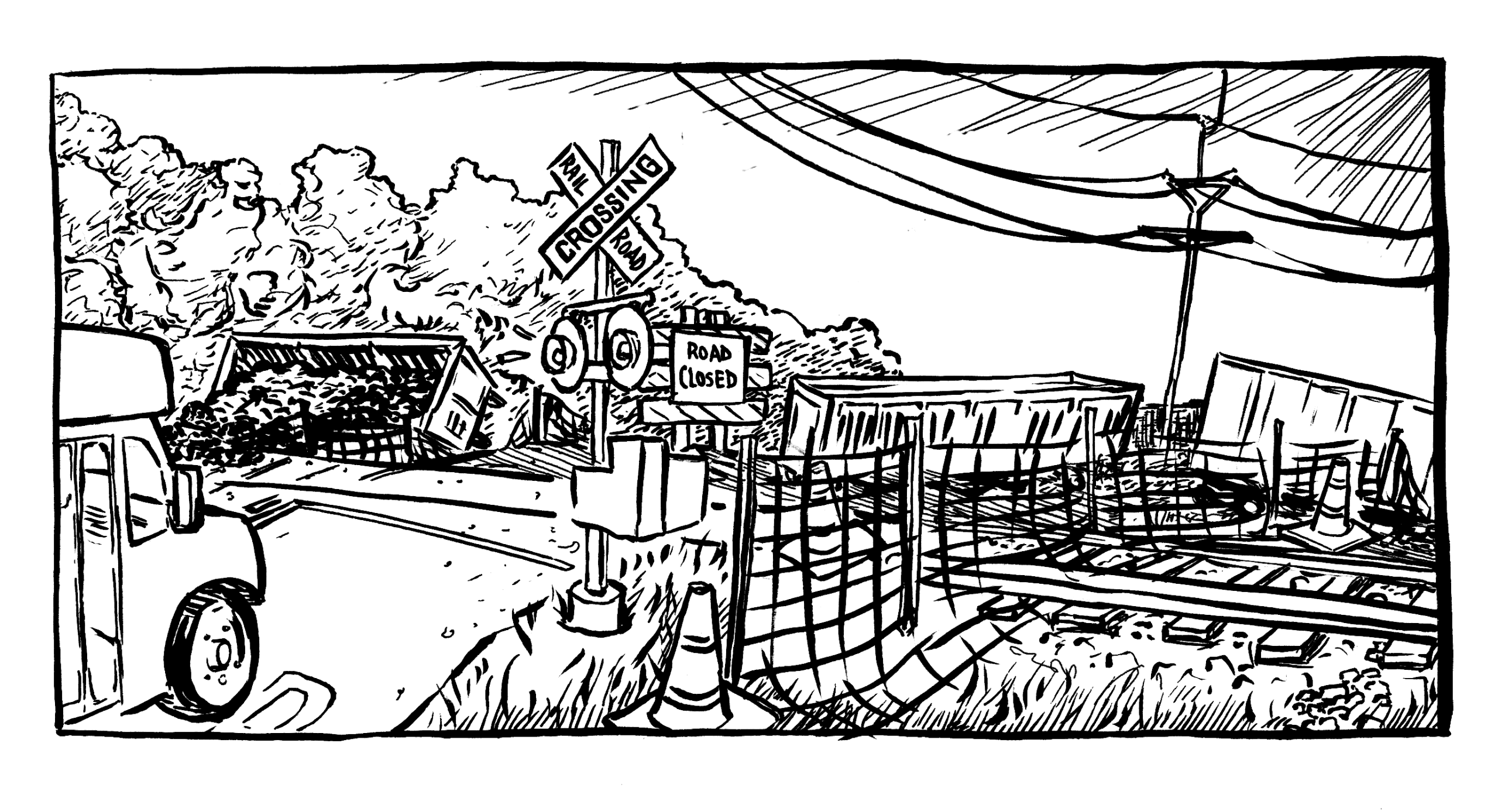
During A Disaster: Stay Safe
Every disaster is unique, which means your best course of action will depend on your situation. Above all – don’t ignore it. Trust yourself and your senses, and seek out reliable real-time information from your local government, news, or emergency services. As long as you’re doing what you can to keep yourself and your support network safe, you’re succeeding.
Generally, if the disaster is severe enough, you’ll get one of two announcements: Shelter-In-Place or Evacuate. If you receive either of these orders – please follow them. Even if you don’t feel in danger, they will steer you to maximum safety.
Shelter-In-Place, or stay put

- If possible, get inside before you check-in with your support network.
- Close all your doors, windows, air vents, and chimney vents.
- Turn off any air conditioners, including window units.
- If you have it, use plastic sheeting and duct tape to create a tighter seal around doors and windows.
- Wait for the all-clear from authorities by tuning into your local radio or news station.
- Look out for a boil water advisory to make sure you have safe drinking water.
Do you have the right PPE?
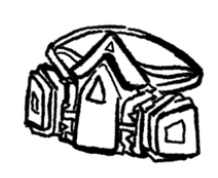
Even though N95 equivalent masks are great for personal protection, they may not be effective for airborne chemicals. We recommend an organic vapor mask (available at most hardware stores) for better protection.
Evacuate, or get out
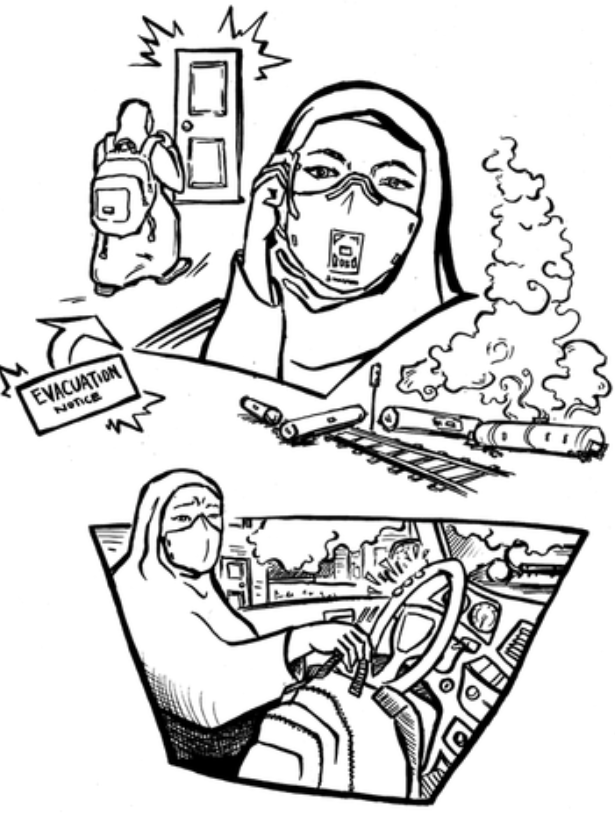
- Secure your home if there is time (lock doors, windows, etc)
- Check-in with any household members you’re leaving with to make sure no one is showing symptoms of an infectious disease (and if so, take precautions)
- Leave non-essential items behind and grab your go bag
- Make sure everyone in your household is out, including any animals
- If you’re in a car, be sure to turn off all outside ventilation, like AC (we recommend switching to the circulate air setting)
- Follow your pre-planned evacuation routes, adjusting if you need to
- Find the nearest open shelter by texting SHELTER and your zip code to 43362 (Example Text: “Shelter 15221”) or by calling the Red Cross at 1-800-733-2767
- Only return home when you’re told it’s safe

Not sure what to bring? We’ve got go (and stay) bag checklists for you: peopleoverpetro.org/enabled-prep
IMPORTANT!
If you think you might have been exposed (even a little) or start experiencing new symptoms, don’t wait — seek medical attention right away! The earlier you go, the more effective any possible treatment will be. Medical records can also serve as evidence of harm in legal cases down the line.
Stay in the Know

Be sure to monitor local news, weather, and local government social media accounts throughout a disaster – they will likely have the most accurate updates, including information about any hazardous chemicals. When the crisis has passed, local authorities will issue an all clear announcement, and provide any additional instructions for staying safe. Keep in mind, though, that sometimes elected officials are quick to declare an area “safe” without considering the diverse needs of its community members – including disabled folks. We know our bodies the best, so don’t hesitate to keep sheltering or staying away. Extra caution is very valid in these situations.
Illustrations by Michelle Sayles