Before A Disaster: Make A Plan
Have you thought about what you would do in a disaster? Disabled folks are at higher risk during a disaster. That’s not just because we have specific functional needs – it’s because we’re living in a world that wasn’t designed for us. In a disaster situation, that can mean barriers to evacuation, lack of accessible information, and inadequate support systems. Yet, because we live in an ableist world, we’ve become geniuses at adaptation. That can make us really good at disaster prep already! Not only do you protect yourself when you take the time to prep, you automatically make it safer for everyone.
The first thing to know is that preparation doesn’t have to happen all at once, so don’t push yourself past your limits. Just try to do what you can when you can.
We recommend starting with who you know —
Who is your support network?
A support network can include family, friends, neighbors, and/or caretakers. Who are 1-3 trusted people that you would call in an emergency? Have you talked with them about disaster prep? Make sure you have their numbers written down (not just in your phone) and that you’ve talked through how you’ll communicate in the event of a disaster. If they are open to it, you can do the rest of these steps together to make a stronger plan.
How close are you to potential problem areas?
Knowing what type and how close you are to a chemical facility can help inform how you plan. We recommend looking up facilities close to you on Oil & Gas Watch’s website: oilandgaswatch.org/search

If you have to leave, what routes will you take?
Once you know where potential problems may come from, it’s easier to plan how you’ll get out in a hurry. We recommend making a plan for whether or not you have a car, and plan a route for each of the cardinal directions: North, South, East, and West. It can be helpful to draw these on a physical map that you keep with your emergency supplies.
What stuff do you need to have ready?
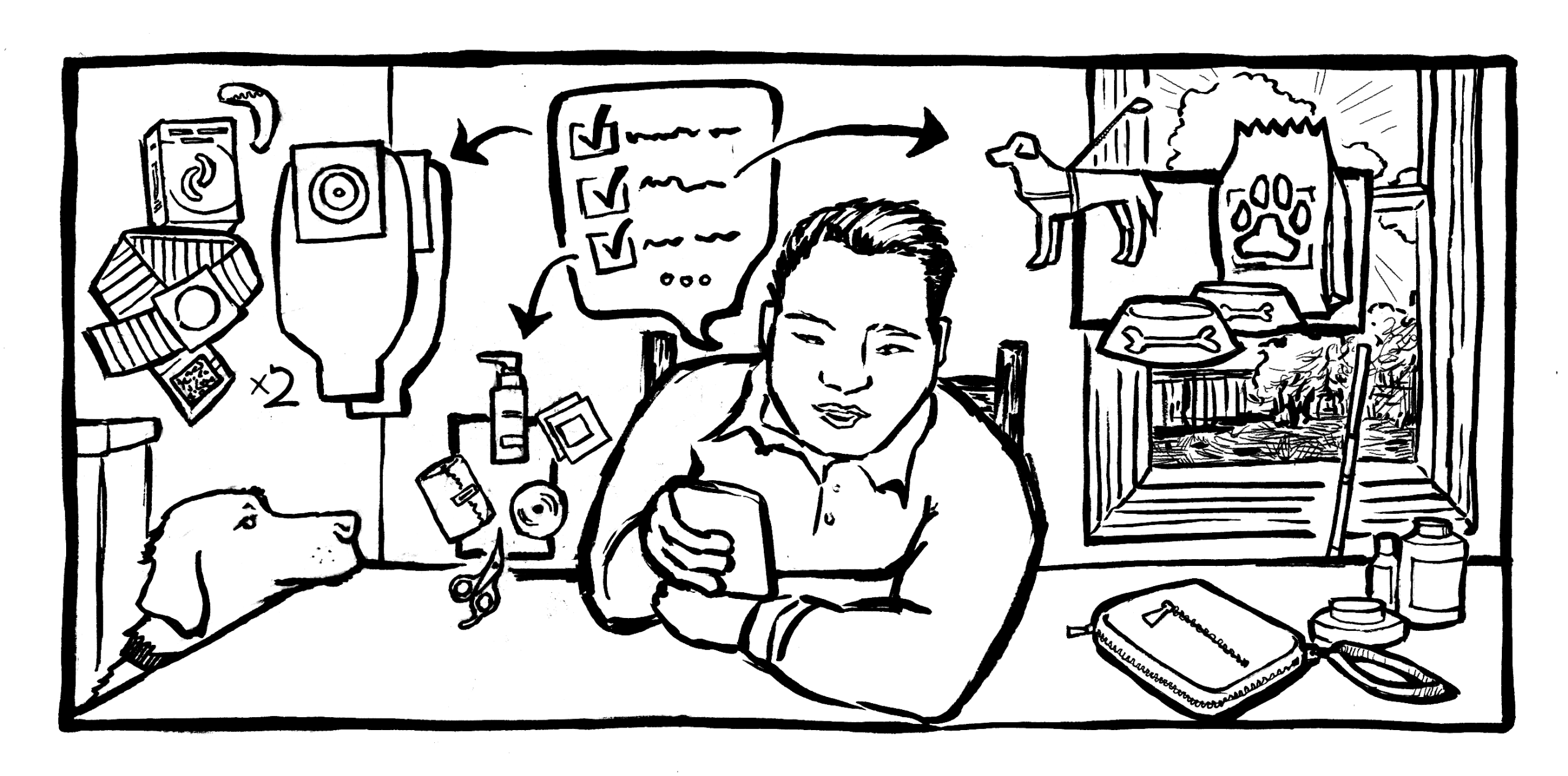
Whether the best option is to stay or leave, having some supplies together makes a big difference. You don’t have to buy lots of stuff, just plan for your specific needs – including medications, assistive devices, and pets. It’s a good idea to have enough supplies for 3 days of evacuation or 2 weeks of sheltering in place – including a back-up source of power, if possible. Don’t forget about your important documents, including prescriptions! Once you have your supplies, we recommend refreshing them (checking power levels, replacing food) every 6 months or so. We also recommend replacing your home air filters regularly to make sure they are filtering effectively.
Don’t worry, we’ve got checklists for you! peopleoverpetro.org/enabled-prep
How will you get your information?
One hundred percent of the decisions you make during a disaster will be based on the information you have, so plan for how you’ll receive it. Here are our top three tips –
- Stay in the habit of keeping your phone and/or tablets charged and ready to use as much as possible.
- Know your local news sources (radio, TV, apps) and make sure you can access them to receive emergency orders, shelter locations, or other important instructions.
- Keep a battery or hand-crank radio in case electricity or cell service goes down.
Remember that information gets updated fast and frequently during disasters, so keep monitoring your news sources!

Want to go further? Fill out your own prep worksheet at: disasterstrategies.org
Illustrations by Michelle Sayles