
After A Disaster: Know Your Rights
Always remember, no matter what anyone else says, your rights are never suspended in a disaster. By understanding your rights, you can become your own best advocate – even and especially in emergency situations. You don’t have to memorize everything on this flyer; we recommend keeping it with your emergency supplies in case you ever have to use it.
You have the right to accessible information and communication.
Under the Americans with Disabilities Act (ADA), you have the right to receive information in formats that are accessible to you (i.e. sign language, large print, braille, screen-reader accessible). If you find emergency information that is not accessible, you have the right to request an accessible version from your local government and/or local, or state/territory emergency management agency.
You have the right to equal access to emergency services.
The ADA and Section 504 of the Rehabilitation Act requires that emergency shelters, medical services, and disaster recovery programs must be accessible to those of us with disabilities. Shelters cannot deny you entry because of a disability. You also have the right to bring your service animal with you to a shelter, disaster recovery center, or other public place providing disaster-related programs and services.
If you’re ever prevented from using a shelter because it’s not accessible, you have the right to file a complaint with the Department of Justice (DOJ) or your state’s civil rights agency.
IMPORTANT!
You also have the right to not go into a facility (for example, a nursing home or institution) if you don’t want to. No matter what, it’s always your choice.
You have the right to health and environmental safety.
The Clean Air Act and Safe Drinking Water Act, among other environmental laws, protect everyone from exposure to harmful substances such as toxic chemicals. If you suspect that safety regulations are not being enforced – for example, a company is not disclosing a chemical leak to your community – then you can file a complaint with the Environmental Protection Agency (EPA) or your state’s environmental agency.
When in doubt, document your experience
First-hand documentation is one of your most powerful tools when it comes to advocating for yourself. That means that if you come up against barriers like inaccessible emergency services, or experience any negative health impacts – try to document it in the moment or soon after. The silver lining is that there’s lots of ways you can do this, including –
- Take a photo, or – even better – video on your phone. If you can, try to describe what you’re experiencing in the video.
- A voice recording, including the time, date, and location
- A written note, including the time, date, and location
- A MyChart notice to your medical care team
Speak up and reach out
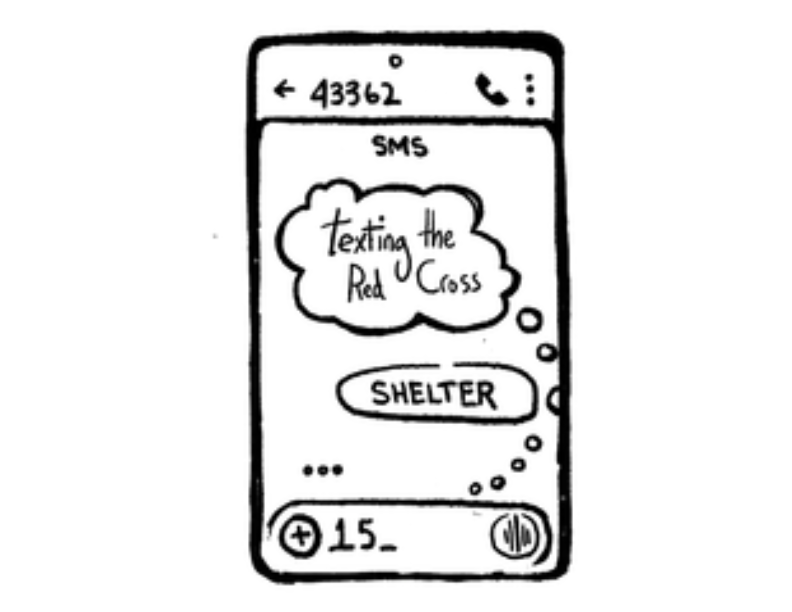
Find the nearest Red Cross shelter to you
- Text SHELTER and your ZIP Code to 43362
- Call Red Cross 1-800-733-2767
- Use the Red Cross app: tinyurl.com/RedCross-app
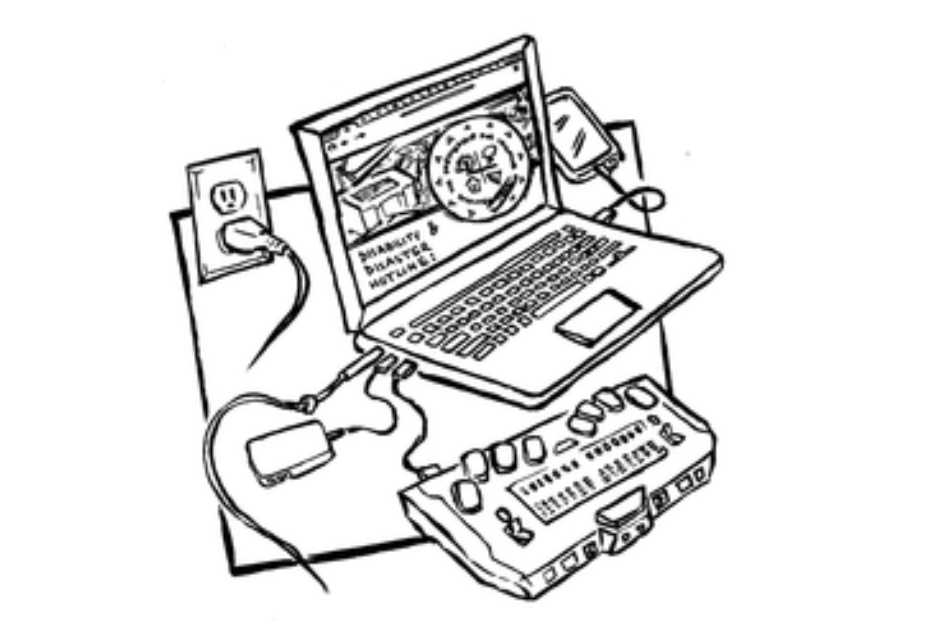
Receive support from the 24/7 Disability & Disaster Hotline from the Partnership for Inclusive Disaster Strategies:
- Call (save this number!): 1 800-626-4959
- Email: hotline@disasterstrategies.com

File an online complaint with the Department of Justice:
- To get help filing, go to: tinyurl.com/civil-rights-co
Illustrations by Michelle Sayles